
The habits your child builds in their early years shape their oral health for life. As a parent, knowing what to do and when can make a profound difference. This guide covers everything from your baby's first tooth to orthodontic treatment in the teenage years.
The First Tooth: Starting Right
Most babies get their first tooth between 6–10 months. This is when dental care should begin:
- Wipe the tooth gently with a clean, damp cloth or infant toothbrush after each feed
- Use a tiny smear of fluoride toothpaste (no larger than a grain of rice) as soon as the first tooth appears
- Never put your baby to sleep with a bottle of milk or juice this causes severe early childhood cavities ("bottle rot")
- Book the first dental visit by age 1, or when the first tooth appears
Why Early Dental Visits Matter
Many parents ask: "Why visit a dentist so early? They're just baby teeth." Baby teeth matter more than most people realise:
- Space holders: Baby teeth reserve space for permanent teeth. Early loss causes adjacent teeth to drift, leading to crowding
- Eating and nutrition: Children need healthy teeth to chew properly and get adequate nutrition
- Speech development: Teeth play a crucial role in forming sounds. Early tooth loss can affect speech
- Self-esteem: A healthy smile builds confidence and reduces social anxiety in young children
- Dental habits: Early positive dental experiences build a child who is comfortable visiting the dentist throughout life
Age-by-Age Guide to Children's Dental Health
Ages 0–2: Infants and Toddlers
- First dental visit by age 1
- Wipe gums with clean cloth before teeth appear
- Smear of fluoride toothpaste once teeth appear
- Avoid sharing spoons or cups (cavity-causing bacteria can be transmitted)
- Limit sugary drinks offer water as the primary drink
Ages 3–6: Preschool
- Brush twice daily with a pea-sized amount of fluoride toothpaste
- Parents should brush or supervise brushing children lack the coordination to do it effectively until around age 8
- Start flossing when teeth touch each other
- Check-up every 6 months fissure sealants may be recommended for vulnerable molars
- Discourage thumb-sucking if it continues beyond age 4
Ages 7–12: Mixed Dentition
- Permanent teeth begin erupting from around age 6 monitor carefully
- Orthodontic assessment is recommended around age 7–8 to identify early issues
- Fissure sealants on permanent molars can prevent up to 80% of cavities in these teeth
- Sports mouthguards are essential for contact sports
- Continue 6-monthly check-ups
Ages 13–17: Teenagers
- Orthodontic treatment (braces or aligners) typically happens in this age range
- Wisdom teeth begin developing monitor on X-ray
- Increased independence means teens may reduce brushing frequency reinforce the habit
- Discuss the risks of sugary energy drinks, which are particularly erosive
- Encourage teenagers to take ownership of their own dental appointments
Diet and Dental Health: The Key Facts
Diet has a profound impact on children's teeth. The key is not just what they eat, but when:
- Frequency of sugar intake matters more than total amount constant sipping on juice is worse than one glass with a meal
- Sticky sweets (toffee, gummy bears) are particularly damaging because they stay in contact with teeth longer
- Cheese, milk, and plain water are tooth-friendly choices
- Fruit juice even fresh is acidic and should be limited to mealtimes
- Drinking through a straw reduces contact between acidic drinks and teeth
Handling Dental Anxiety in Children
Dental anxiety in children is common and often stems from parental anxiety or stories they've heard. Here's how to help:
- Start early the earlier the first visit, the more familiar the dental environment becomes
- Use positive language avoid words like "needle," "drill," or "hurt"
- Don't use dentist visits as a threat ("if you don't brush, the dentist will hurt you")
- Stay calm yourself children pick up on parental anxiety
- Praise and reward positive dental behaviour at home and after visits
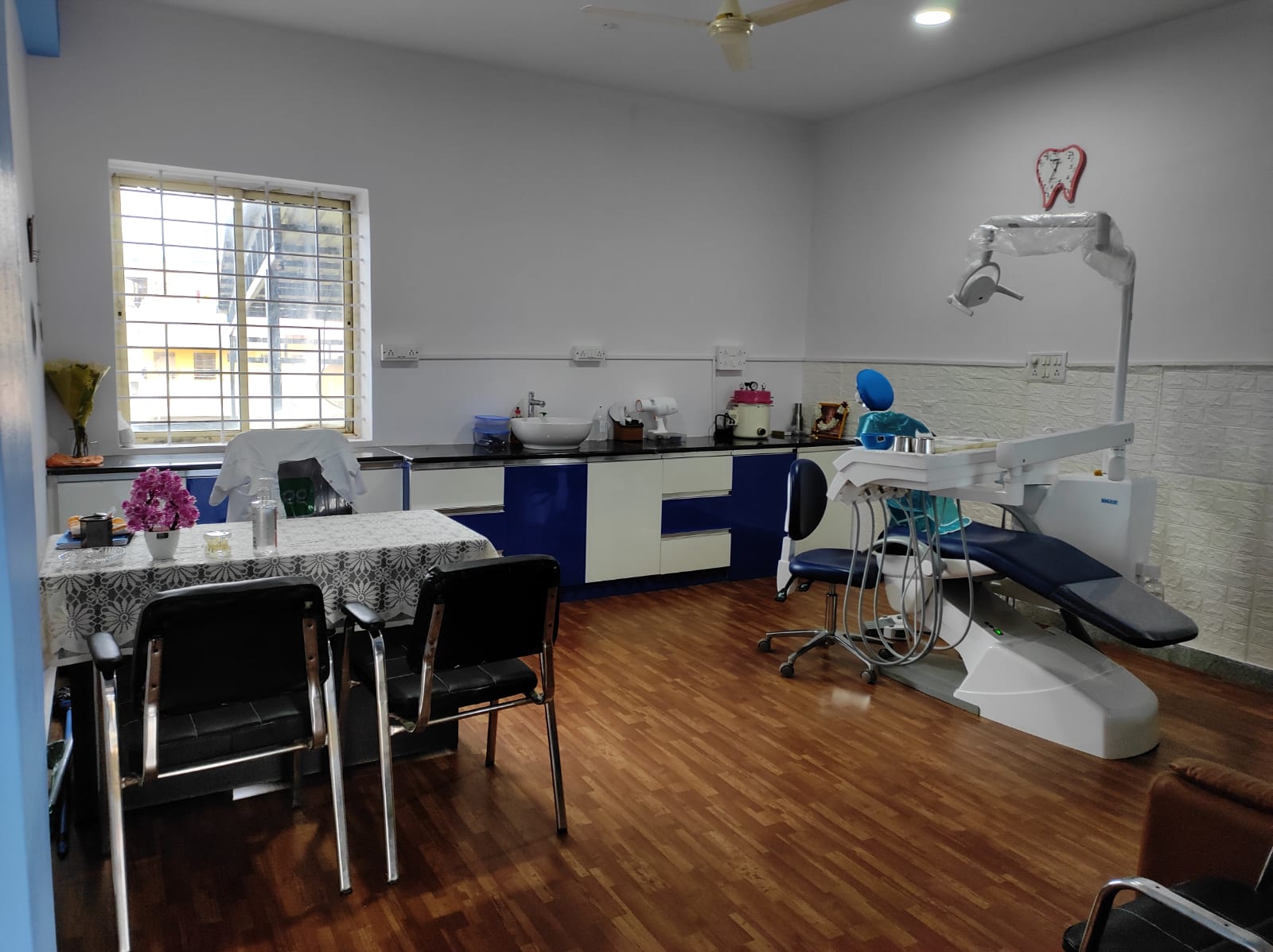
At Dentapex, we take extra care with anxious children explaining everything before we do it, using a gentle "tell-show-do" approach, and stopping whenever a child needs a break.
When to Call the Dentist
Contact us promptly if your child:
- Has a toothache or facial swelling
- Knocks out or chips a tooth (bring the tooth in milk if knocked out time matters)
- Has teeth that don't look right spots, unusual colour, or spacing
- Complains of pain when eating hot, cold, or sweet foods
- Has not had a check-up in the last 6 months
Book Your Child's Appointment at Dentapex
We love seeing young patients and making their dental visits enjoyable. Serving Dommasandra and Sarjapur Road.